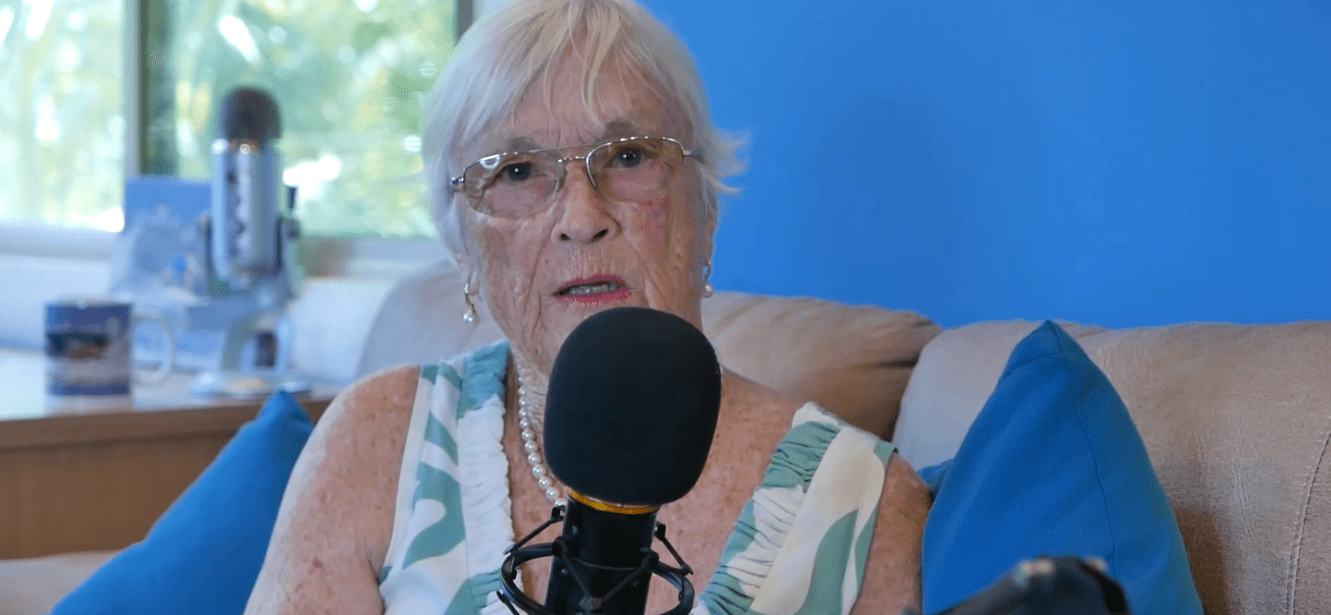
Please enjoy Beverly Kitson sharing 50 years of Nosara’s history and the origination of the Biblioteca David Kitson and what it is doing for the community. Locals appear in this episode who share their experiences while Beverly navigates us through an entertaining and enlightening history with pictures of Nosara in past decades. Beverly invites everyone to become a patreon of the Biblioteca.
In this Nosara Podcast, Dr. Alvaro Salas-Castro, Dr. Tina Nabatchi, & Dr. Christian Freitag invite ALL Nosara residents to participate in an important survey.
They explain there are 3 phases to this project. Phase 1 is now complete, Phase 2 is this survey (see below links to participate & instructions), and Phase 3 is the July 29th round table event, when all of Nosara’s collected information will be shared.
They are requesting as much participation as possible from all demographics and want people to know their opinions and concerns are included and important. Their goal is to share collective information in a manner promoting unification and dialogue thus providing an opportunity to progress.
Queremos participación con todos en la comunidad!!! Inglés o español todo bien.
This was carefully written understanding there are multiple steps and it might be confusing for some.
What’s happening is truly unique and an opportunity for our community to unite for a greater cause no matter our background or financial status. Participation will make a difference.
*Two important tools to help fill out the survey* 😉
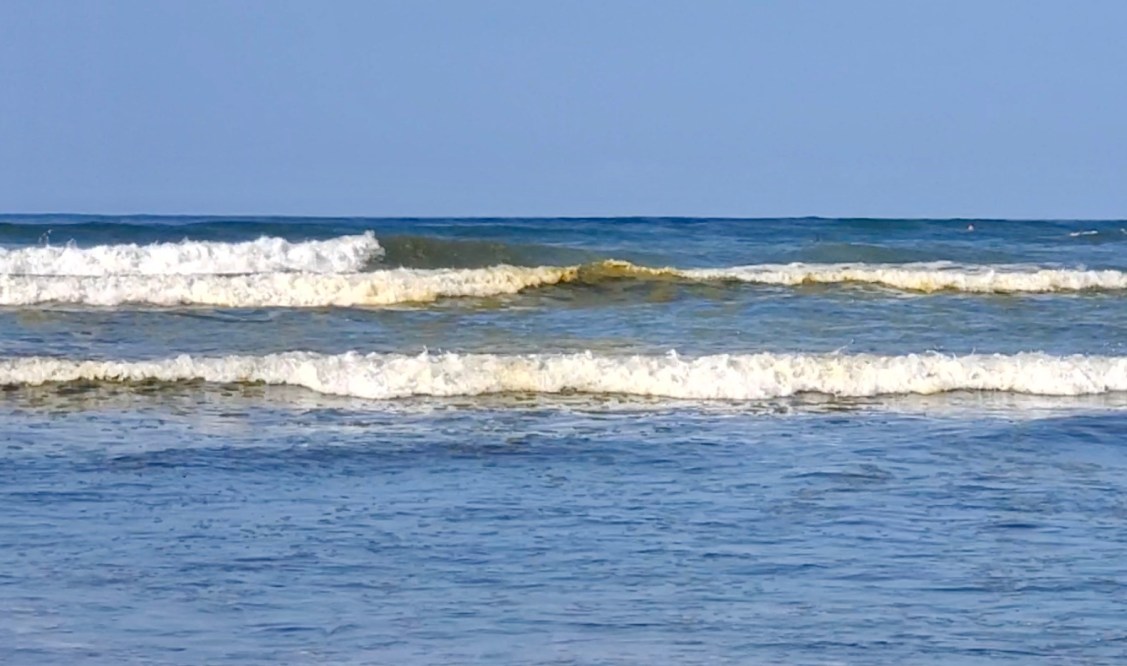
In this Nosara Podcast episode, Dr. Edgeworth explains the ocean water pollution situation in Playa Guiones and Rio Nosara areas plus calls residents, in particular homeowners and businesses, to support a cleaner Nosara based upon the data from their water collection study.
He explains Dr. Vanessa Bezy’s efforts on this project, how it is funded, and shares some of his personal opinions about leadership in our area. Robert states: “It’s a big responsibility to apply government power against people’s property rights… So if you want to do that, at least do it well.”
In this Nosara Podcast episode Jessica Sheffield updates us about Guardians of Nature and shares her vision of increasing eco literacy throughout Latin America and beyond. The program is working already in Nosara and quickly expanding in Latin America and beyond.
Here’s my notes:
Intro… GoN ‘Mom’ and DMA cofounder
Nosara is an innovation lab for public schools
Importance of trajectories
Trees in CR almost all gone by the 1980’s yet CR changed trajectory and is now inventor of ecotourism (will put in map photos)
DMA was not intended to ever be an island
Local schools in Nosara having impact and ripple effect
Step by step… Not 1 huge one
Covid, floods, strikes, etc. Really hurt kids
Enriching English very important
How can people get involved?
Can donate time, financially, or preferably both
Could Nosara’s public school be model for the world?
Faith, hope, and strategy can change anything
Local businesses adopted local schools and now composting, recycling, English enrichment, etc.
Bram recommendation of book Rocket Man
GoN using bottom up approach, not top down
Working with government much better in accomplishing greater reach
Mary Smathers is an author and active community member who shares her background and recent book launch, provides tennis info and updates, explains how new people can and should get involved in the community right away, what her Nosara likes and dislikes are and updates on Ostional’s recent growthincrease.
*Stay tuned to my YouTube channel for several brief segments with Mary by subjects
Here’s notes from this 16 minute version with Mary:
Appreciates me providing info from somewhere besides social media
I complain about social media not actually advancing our issues.
Mary used to write for La Voz for years when it’s focus was on Nosara. In recent years she’s been working on her novels and her 2nd novel is now released:
Mary’s new book background
Bio info, where her stories originate from, fascination with California history, the story or journey behind the main characters
Tennis brief history and Nosara Tennis Club and most recent tennis tournament.
Shout out to 94 year old Ed Kornbluth and the kids… Lots of friends available from all kinds of various areas in the world and good people to know and ways to learn the community
Mary wants new people to get involved and meet people and interact. Tennis club, Biblioteca, Bomberos, wildlife refuges, etc. Get involved!
Beverly Kitson reference and library history and what library is doing today. Over 25 years with private funds, over 15,000 books in many languages, how library is community center, etc.
Ostional-Guiones seems different worlds. No big growth in Ostional but that’s starting to change. Osti struggles with jobs and that part Of growing is good to help locals. New houses and progress in developments near where she lives.
I ask favorite and least favorite things about Nosara. Pros: Community closeness in helping, amazing restaurants. Negatives: Growth is uncontrolled, safety in traffic, not living pura vida way.
Not leaving Nosara loves writing here and living in other home too.
Dr. Alvaro Salas Castro is a behavioral scientist living and studying in Nosara. In this Nosara Podcast episode, he explains what he has learned so far and provides much insight into the challenges Nosara is facing and significant advantages of Nosara compared to other towns.
He explains how federal and local governments and the community organizations all often work separately in different directions and he believes Nosara has the opportunity to become the ‘Silicon Valley’ of Latin America. He thinks closing the beaches is ‘stupid’ and holds nothing back on his opinions.
There’s too much for one episode so we’ll break it up into parts plus Dr. Salas will be coming back each month for a while. It’s great having him here and we’ll get out more and more from him for you to see what he’s finding out about our community.
Here’s my notes from Part 1 with Dr. Alvaro:
What are our biggest challenges?
Difference in locals including nationally and internationally
Different region investors and local culture
3 layers of misinformation and communication. federal government & local government and community organizations often separately active
Potential of Nosara
Is communication between Nosara and Nicoya and San Jose historically distant?
Unique blend of people here who care about the environment, lots of different people from different countries
People in Nosara really care. They don’t talk to government but do care about health, nature,
Accumulating good decisions is behavioral economics
benefits of here; turtles, fishing, surfing, local and international airports close, etc.
A new tamarindo in the negative way of saying that
Don’t lose the magic
Keeping Nosara Weird (shout out to Carl Wells)
Statistically crime is lower in Nosara than other towns Mal País Santa Teresa
Education system in Nosara incredible. Teachers from other countries are incredible educators and the ones coming to Nosara are differentiated from others
5% of GDP is to education
affordable access to quality vegetables and greens and much exercise
He believes Nosara has potential to be silicon valley of Latin America
Previously was General Coordinator of task force to mitigate Covid 19 reporting to the President of the Social Security Roman Macaya
Business vs protection
Tension between cabinet members
What are other countries doing?
Closing beaches is stupid. He’s a scientist and there’s poor judgment happening
Erratic policies
unrest and famine are possibilities
Local leaders are exciting him. Communities that are healthy organize themselves.
What issues need government intervention?
How do we bridge the gap between the foreigners and the locals?
Coming back more for his research updates
Here’s his Linked In bio:
Acerca de
Alvaro Salas Castro is a native of Costa Rica and has a Ph.D. from the Maxwell School of Citizenship and Public Affairs, from Syracuse University. He also has an MPA in Science, Technology, and Infrastructure from Cornell University in New York. He also holds a Bachelor of Arts in Foreign Affairs, Bachelor of Arts in Law (UACA), and an MBA with a concentration in finance, economics and sustainable development from INCAE Business School as the recipient of the scholarship Leaders for Change.
While at Cornell, he was the first Latin American to serve as President of the Cornell Public Affairs Society. He became a Presidential Fellow at the Center for the Study of Presidency and Congress in Washington DC, was inducted into Phi Alpha Alpha national honor society for public affairs and management, and was the recipient of Cornell’s Adams Award for exemplary scholarship and service in the field of public affairs and honored as the 146th commencement banner bearer representing the graduated students.
Mr. Salas served at Cornell University as Special Advisor of the Cornell Program in Infrastructure Policy. He has previous experience as a business development officer in a corporate law firm, as a Vice President of an insurance company, as Special Advisor to the Government of Panama, Costa Rica, a political party in Honduras and as an academic consultant and researcher for the IDB, Grameen Creative Lab, a major Latin American private equity firm and the United Nations (UNDESA) in New York City, Division of Public Administration and Development Management assisting the Chief of Staff of the Division as a researcher for the e-government survey.
His work has been published in the World Economic Forum Global Agenda Council on Latin America Report under Innovative Public-Private Partnerships for Inclusive Development, opinion pieces at the Huffington Post, the Morocco World News, the UN eGov survey (as a member of the research team), and the latest on a book about impact investment in the UK.