Tag: Schools
-
This Week In Nosara 45 is up
The last week in October has been a fun here in Nosara. Plenty of good weather & surf to go around with light crowds. This is going to change once the US election ends and we get into mid November. In the meantime, get out there and enjoy it while you can. I even rode a shortboard which I normally don’t use in Guiones.
Nosara Civic Association (NCA) Covirena program is officially launched. Their objective is to explain & enforce the rules of Playa Guiones being inside a nature reserve. The most challenging item is there are no more dogs on the beach. Of course no motos on the beach, trash, or bonfires as well.
-
This Week In Nosara #40 Late September 2024: Surf, Water Moratorium Updates, Old Honolei, Happy Birthday Brian!!!
This Week In Nosara #40 is late September 2024…Here’s basic outline of this episode:
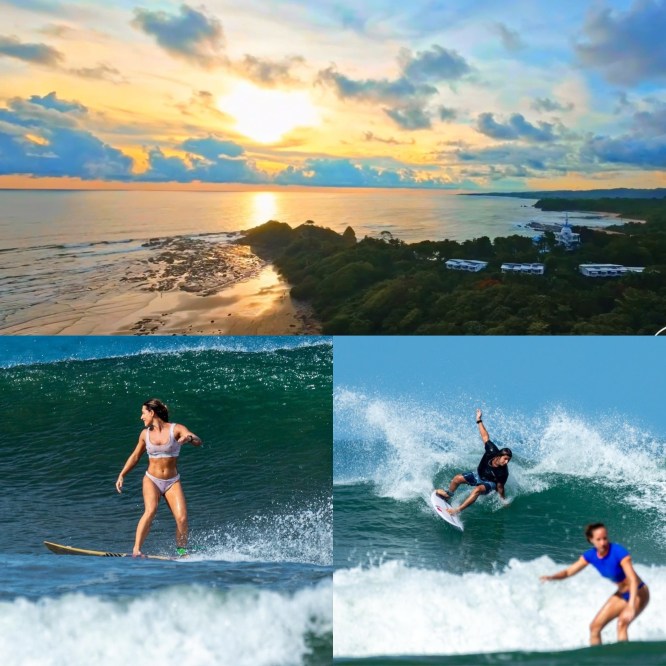
- Some quality surf photos & a couple videos from Kaiya at Surfing Nosara.
- Take a look from the air Playa Guiones overlooking Las Huacas, Pelada, North Guiones, Main Street Calle Modelo, J & K sections, South Guiones, Punta Garza, Esperanza & South Las Huacas
- Updates from the Playas de Nosara ASADA available to everyone on their Facebook page. They are providing updates about water outages, updates to the system, which areas are to be affected, community updates & answering questions.
- The biggest update is water moratorium in place for new water approval letters. The ASADA can not say when this will change because we need to provide 20 year in advance coverage so need new wells & legal processing all to take place
- Rich predicts existing construction & properties with water meters like K45 & ones with approved water letters like R6 will become highly sought after. However, there are not many properties with water letters in place
- K45 is going on the market for sale (3000m2 with ocean view in K section & a water meter). It is the old Honolei Restaurant & house Brian & Kyle Bombard used to live in. Rich had birthday party there 15 years ago photo with a young Brian in the background & ironically today is Brian’s birthday! Didn’t know about that till after this was done.
- Surf footage from Guiones thanks to Kaiya
- Nosara Civic Association reminds us to celebrate 203 years of Independence!
- NOCA leader Michel came on the Nosara Podcast; he’s an awesome guy check it out when you want to feel good
- WCA water updates & need volunteers
- MoviemientoGuardianes is doing awesome things!!
- Stop by La Roca next time driving into or out of Nosara… Terrific views & great experience
-
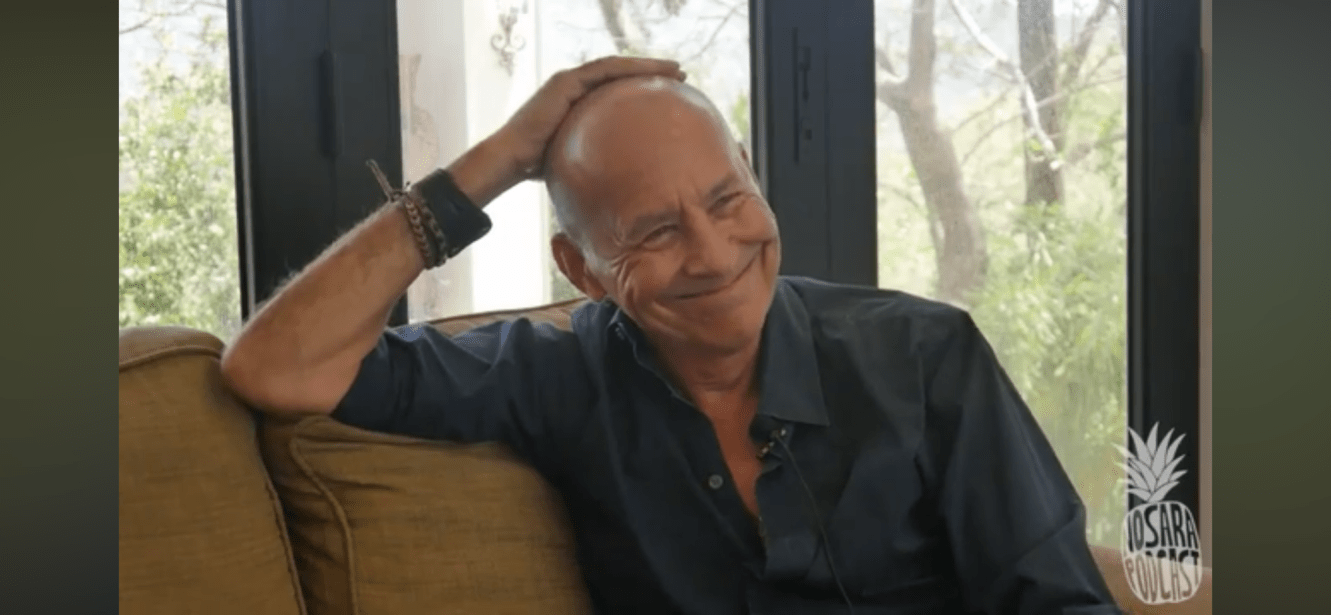
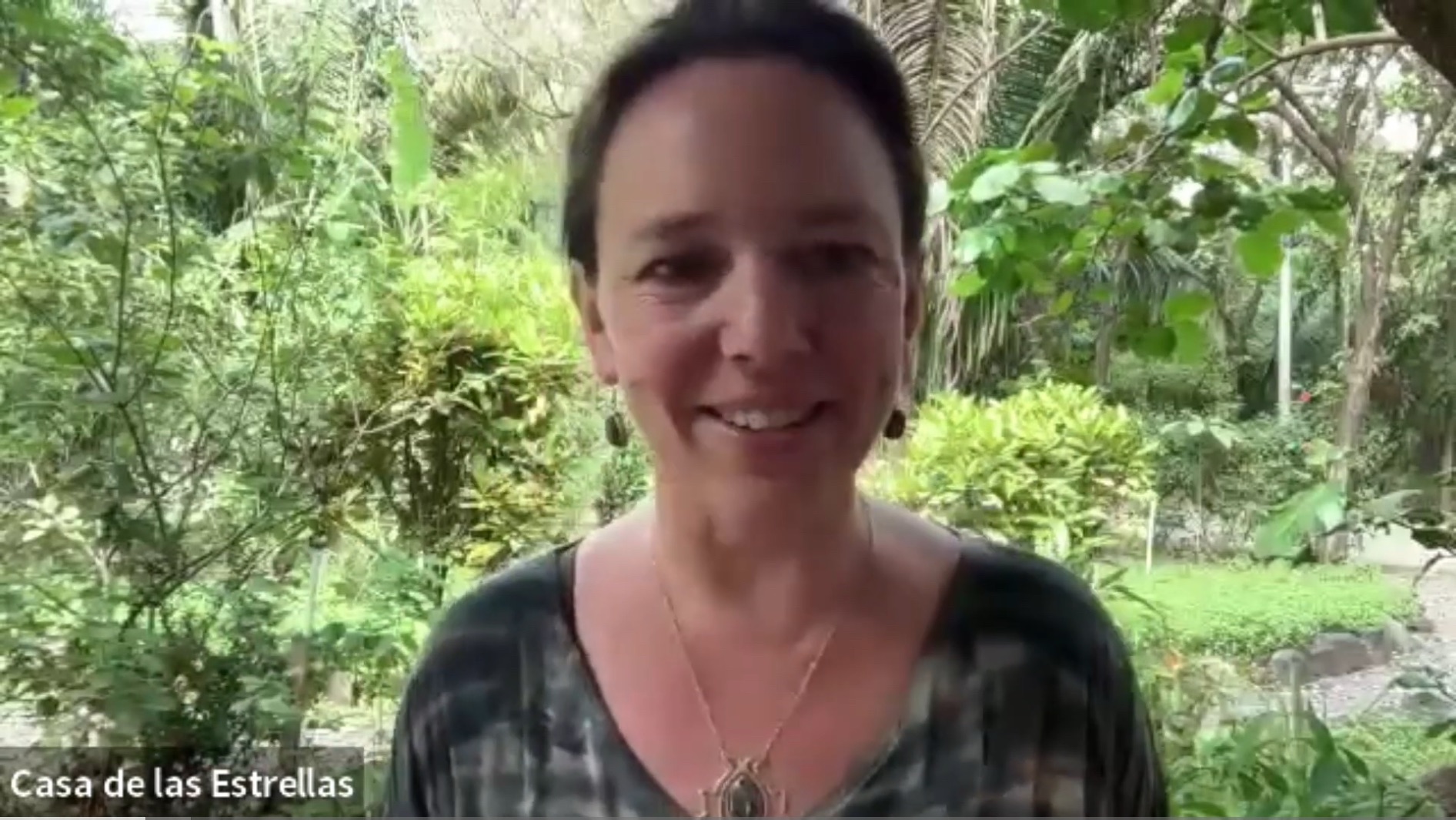
Michel Viau from NOCA is committed to bridging Nosara’s social & cultural gaps using multidisciplinary arts with an environmental emphasis
Nosara is definitely a magnet for all types of interesting and unique characters.
As we learn in this Nosara Podcast episode, Michel Viau is most certainly is one of these dynamic & unique individuals.
Michel, alongside wife & partner Chantal, are gaining momentum in shaping the landscape of the ever-evolving Nosara, seemingly in most all of the right ways.
They are committed to bridging the social and cultural gap in Nosara, so much so in 2018 they founded Nosara Community for the Arts (NOCA). Michel explains NOCA & how he’s using his background in design to achieve their success.


Thankfully, Michel’s pattern of success in life both in business & philanthropic endeavors continues today, towards a greater Nosara. Michel is in a unique position as to not be competing for funding in quite the same manner as standard NGO’s. He’s combining an environmental focus inside discipline based art projects always involving the local Tico populace & pulling in the many different types of people moving into, or becoming involved in Nosara. He’s a positive thinker and forecasting a bright 5 year outlook for Nosara as a whole.
We hope you enjoy hearing from Michel & support NOCA’s efforts!
Check out NOCA’s website &/or socials to learn more: http://www.nocanosara.com
Here’s Michel’s site to learn more: hmichelviau.com
Episode: Michel Viau NOCA
Michel Viau, a multidisciplinary designer with 43 years of global practice experience, joins the podcast to share how he is applying the structural principles of design, process, and cause-and-effect to drive local cross-cultural unity. After adopting Nosara 12 years ago, Michel noticed the underlying social-cultural tension between local Ticos and the international community. Rather than producing superficial art products, he launched the Nosara Community for the Arts (NOCA) to utilize collaborative art, environmental programs, and community-wide projects as vectors for genuine integration. From building model nature reserves with local students to launching a massive, first-of-its-kind children’s dental care initiative treating nearly 1,000 kids in five days, Michel emphasizes that our local challenges aren’t “problems” but opportunities that require us to shed our egos, stop complaining, and collectively invest in the community.
What We Dive Into:
- The Genesis of NOCA: How an initial concept for an art center at Harmony Projects evolved into the standalone Nosara Community for the Arts (NOCA) focused on bridging the social-cultural gap between Ticos and international residents.
- Rio Nosara Sendero Meraki: A deep dive into the annual two-week environmental program bringing together students from Colegio and Del Mar to co-create and safely implement urban planning, canopy rebuilding, and a 30,000-tree planting strategy along the river trail between the gas station and the Rasta Bridge.
- Que Tenemos Aqui (What We Have Here): An upcoming parallel performance and documentary project uniting local poets, musicians, and international choreographers to foster cross-cultural collaboration through poetry, dance, and music.
- The Empty Bowls Movement: NOCA’s upcoming fundraising collaboration with Zev’s ceramic studio and local restaurants to co-create pottery with local Ticos, with 100% of proceeds directly supporting the food bank.
- The Children’s Dental Initiative: How a simple conversation with a New York pediatric dentist spiraled into a massive cross-organizational effort alongside Dr. Sophia Obando, the Ministry of Health, and local sponsors, treating 986 children across local schools in five days with plans to expand from Barco Quebrado to Ostional.
- Combating the NGO Fishing Pond Dilemma: Addressing the local strain of competing for the exact same donor funding, and why the ultimate solution relies on activating new arrivals to get hands-on through platforms like Amigos de Costa Rica.
- Environmental Interconnectivity: Shifting the definition of environmental awareness from simple conservation to recognizing humans as an active, interconnected part of the natural ecosystem, mirroring the root systems of the trees.
- Michel’s Local Favorites: A raw look at Michel’s personal Nosara lifestyle, highlighting his love for horseback rides through Pelada, Garza, and the Ostional black beach, alongside his top culinary picks including Chiara Magnifica, Coyol, Mama Gui, and La Luna.
Episode Transcript
Rich Burnam (Rich): and Michel Viau (Michel):
Rich: Michelle, welcome to the podcast.
Michel: Thank you, Rich. Thank you for having me.
Rich: I’m glad to see you sitting here and I’m glad, uh, you finally agreed to get in front of the camera because I think people should know who you are. And so I thank you.
Michel: Thank you.
Rich: All right, so let’s get started. Please introduce yourself and tell us what NOCA is.
00:45 — The Origins of NOCA and Bridging the Social-Cultural Gap
Michel: Well, so my name is Michel Viau. My wife and I adopted Nocera 12 years ago, typically very, I get involved in communities. So it wasn’t long after we got here that, uh, I was trying to get a feel for the dynamics of the community. And because we befriended a few locals, ticos and families over, over a few years, realized that there was this idyllic, you know, life here, but that there was also a bit of tension between local TECOs and the international community. Professionally, I am a multidisciplinary designer. I worked in design, graphic design, industrial design, product design, experiential design for, uh, 43 years. I had my own practice. I joined a global group. I did small projects. I did big projects. So I’m a project kind of guy. I’m a connector.
And so I was sitting at Harmony one day thinking that how could we possibly use maybe arts, you know, to connect the community. And now it may not be such a novel idea here because there are a lot of art organizations, uh, of all types and programs. But way back in 2019 or 2018, actually, there wasn’t much of, in terms of organized art programs. And I, uh, we were regulars at Harmony. I spoke to our friends at Harmony. They love the idea. I put, put the pro sort of an idea together. They loved it. And so for about a year, the idea was actually to do this with Harmony project almost exclusively, but with everything that’s happening with Harmony and over the years, as we all know, they kind of exploded in buying Harbor Reef and land and land development and whatever. Um, it became clear very quickly that the last thing they need is to start managing an arts center.
And so, we left the idea that this would be a center, rebranded to be the Nosara Community for the Arts. So NOCA comes from that, the Nosara Community for the Arts. Our mission is to bridge the social cultural gap that exists within the community, between the TICOs and the international community. We conduct, um, a variety of programs, multidisciplinary in their theme and their concept. Much of the work that we’ve done today, we think 2019, it’s a long time, but we’ve, because of COVID, we’ve only really done very few projects here, but we’ve supported other projects. We’ve worked with Del Mar and Colegio Boca de Nocera to bring 17 to, 15 to 17 year old students. We have 32 we did the program in 2019. We have 32 students and we had them work, uh, around Vanessa Bessie’s concept of having a nature reserve. And we asked the student to imagine what a sustainable Nosara could be using the idea of a nature reserve.
We were new in, in, in the city, so we also were kind of shooting a little bit by the hip. But I brought a group from Toronto who, um, called Number Nine and they do these kind of programs. Uh, and delivered that kind, those kinds of program across Canada to, you know, 5, 000 students. So I brought Elizabeth and Andrew to join me and we conducted a week long program and where the kids could, you know, 16 from Colegio, 16 from Del Mar, kids that would otherwise never have met. Be for all the reasons that we know and got them to work together in creating this, uh, eight feet long model with, uh, you know, doing art and little models of ra, you know, Ranchos and rivers and whatever, whatever, and was highly successful. And then Covid hit, we didn’t do much for two years.
05:15 — The Rio Nosara Sendero Meraki Project
Michel: When we came back in 2022, we sat down. Well, in between all this time, I kept coming and I ride horses, so I was, one day I was riding along the, uh, Rio Nacera, uh, and with the horse and thinking that this was, one, potentially such a beautiful area, but it, it felt like it was crying, like, love me, kind of thing, I need help, so between the dike and the clear cutting and the trail that’s already there, I talked to Del Mar. They thought it was, uh, between, between the, the school principal at Del Mar and myself, um, came up with the idea that maybe we need to pay attention to the stretch between the gas station and the Rasta Bridge. And so we created this program that’s called the Rionocera Sendero Meraki. We did our first Sendero Meraki project last year. Not this past January, but the February before, we had 42 students, 21 from Colegio, 21 from Del Mar. It was a two week program, very involved. It took me two months to recuperate, but it was an incredible success. And, uh, we divided the students in groups and the results, uh, you can see the results on our website, actually. Uh, we have videos of these, of each of the program that we do, you can see the videos and it gives you a feel for what we’ve achieved there.
This year we did, this is an annual program and so the ri, we’re working with the river, we’re working in partnership with the NCA, um, and of course we, the other stakeholders involved with the river. So the ASADA, uh, the NDA, the ADIN, um, I’m gonna mix up names here, but um, IC is involved. Um, the municipality is involved, the mayor is supporting the project, so not only are we now asking the students to, uh, create and imagine what the trail could become, the idea is to actually implement part of the ideas. And so this year, we partnered also with Costas Verdes, we partnered with BARC, Paula at BARC, you know, to assist us. Um, and so we need to be able to work in tandem with us with the overall, uh, planning. There’s Mia Granes on landscape design and urban planning. We need safe access along the trail so that people can come in, but also safely get out.
Uh, so there’s all sorts of wild ideas. And so over the next, uh, A few months, if not a couple of years, we’re going to be working with a variety of stakeholders to see what’s possible to do. We’re recognized that there are flood lines, but we want, we want to work with the partners to see if we’re going to be planting, I’m going to say 30, 000 trees over the next five years, where can we plant them? How can we rebuild the canopy, that highway that would give access to the animals? That would make it a safe trail for the people of Santa Marta who want to go to the Centro Comercial and, and make this sort of a bit of a highway, because right now, as we all know, some people are afraid to take the, the trail, they take the road, they get hit on the road, you’ve got kids on the road, you’ve got, so we’re trying to deal with all of that.
Rich: I gotcha. So is it safe to say that NOCA’s kind of moved towards that? Boca, that’s your emphasis, that’s your focus, is the area between Santa Marta and—
Michel: That program.
Rich: Okay, go ahead and give us an overview of what you guys do, because this is just one of many things.
09:10 — Multidisciplinary Programs: Poetry, Ceramics, and Public Art
Michel: Yeah, so we, we, the idea of bringing the community together means that we’re also not only working with schools. We currently are working on another project called Que Tenemos Aqui, what we have here. And because I wanted to show that we do a variety of programs. I’ve let go, uh, we’ll still have the environmental program, which is the river program, but Cape Tenemos Aqui brings poetry, dance, and music. It’s completely different. Never thought I’d be working with poetry, but in the sphere of multidisciplinary art, what we want to bring is again, members of the community who never thought they could string a few words together, or play an instrument, or even dance. and get them to participate in a series of workshops that will culminate into a performance in a year from now.
And I’m working with local poets, local musicians, so I’ve got Manuel Iglesias, who’s a, uh, our poet. Got Daniel Mora, whom we all know, young Daniel, who’s going to be the score. I’ve got Jasmine Ritupair, who’s a teacher at Del Mar, but she’s internationally acclaimed choreographer, dancer. Uh, I’ve got a young, uh, choreographer working at Del Mar who’s 17 years old, a prodigy. So he’s going to be part of that. I’ve got Ana Clara Carenza who’s from San Jose. She’s an, uh, an actress and dermatologist. I’ve got other, other artists who are going to participate that are really rooted in the Guanacaste folk. Music.
And also I have Matthew Chenet, who’s doing a documentary of the entire process of how we’re going to make this happen over the next year, so that the performance in a year will be the viewing of the documentary, how we actually hopefully made it happen, hopefully, and then we’ll deliver the performance. So that’s in a year from now. So that’s another, that’s a, that’s a parallel project to the river project. And then there’s other ideas coming on stream. We’re doing, we want to do projects that will involve the community in raising funds for the food bank. Uh, that will be done in collaboration with clay. Uh, the, the ceramic ceramic studio, uh, Zev and I are working together on, uh, developing that concept right now. I’m a big supporter of the drum circle because I feel drum circles bring people together. So Daniel, we’re, we’re going to be supporting Daniel. quest to bring the community together.
Rich: All right. So we’ve got nature. We’ve got the river project. We have arts across the board from dance to music, to poetry, to acting, uh, to sculpting. You, you name it. If somebody can create it.
Michel: I always say I invite, I invite the community and I have others who come to me and like Zev, you know, talked to me and I said, well, if it has to be a NOCA project, then it, we have to bring the community together. So whatever we do, if it’s going to be Nolca, we have to have participants that are local Tikos who never thought they could do ceramic and bring them together with the international community and co create. So the idea of this project with, uh, with Zev is called Empty Bowls. It’s an international movement where Ceramic bowls will be created, and the bowls will be filled by restaurants around here, and people will come and buy the bowls. The proceeds will, 100 percent of the proceeds will go to the food bank. Um, but we will have the local TIKO, who never thought they could actually collaborate in a project that gives back to the community, and get them to get that feeling, what it’s like to, Because in many cases, they’re the benefactors of these of the food bank. So how do we make this work both ways?
Rich: I like what you’re doing that hits different emotional levels, different senses. You have taste, touch, smell, all these different things and that ignites, well, everything.
Michel: And, and, you know, this morning we were talking about the storytelling of doing ceramics. So they’re going to be doing bowls, but I want to know when somebody sits down to create their bowl, what will be the story that you’ll be able to tell with that? That’s, to me, the art, the creative part, the design part, you know. Art should be able, you should be able to tell the story about your, the piece that you’re going to be creating. So we’re not just doing bowls, we’re doing basically pieces that represent the story. So there’ll be more on that. Like I’m, my mind, once you get me into that, like my mind goes.
Rich: Are there any other, speaking of your mind, are there any other big things you want to announce right now? Or, or, uh—
14:20 — The Children’s Pediatric Dental Initiative
Michel: So because I’m a bit of a connector a year ago, met a, uh, younger than me, uh, dentist Slivich, Slivovich, who, um, wonderful young man who is very successful in New York. And. in true conversation and the work that I do in the community expressed his desire to come and maybe look at some of the kids that I support, you know, here for their, their teeth. He’s a dentist, he’s a specialist for kids. And then started telling me that he would love to come down and do these things. And unbeknownst to me, to him, he didn’t know that you just plant the seed like this. And it’s like—so Sophia Obando, who’s a local dentist. Uh, I connected with Sophia, who also had an interest to work with the community. And between Sophia and Adam, and then our friends at Harmony, Kuki is involved, Francis and Daniel Roja, and the team at Harmony Projects, we had six weeks, gave ourselves six weeks to make this thing happen.
Um, it’s a very complicated process, because you’ve got to deal with the College of Dentists, Um, and you got to deal with the Ministry of Education and the Ministry of Health. And the Mayor’s office had to stamp and, and request or sponsor this. After six weeks, we brought in from New York dentists, volunteers, and assistants, about 20, 23 of them, room and board provided for all of them. They paid their way, they took their week away from the office, but they came and we treated nine patients. I believe it’s 986 children in five days. We went through, from the schools in Garza, all the way to Santa Marta, and saw all these kids on chairs and tables and rental equipment. And we had, uh, propane tanks to, you know, to clean the instruments. And we were pulling teeth and doing—this, this year. We’re actually expanding and going from Barco Quebrado all the way to Ostional. Uh, we expect to see more than 1, 200 children. Many of them will be returning from last year. It’s the first of its kind in all of Costa Rica. First of its kind, obviously, in Nocera. It’s an incredible thing.
Um, Idunamica has come as a partner this year. And so, we will be treating the kids. We will be doing filling and x rays this year. Each of these kids will have a file. And we’ll be seen on an annual basis. That’s huge. Uh, so we’ll go with, from children that are two, three years old to 14, 15, 16 years old.
Rich: Wow. You, yeah, that you’re really proud of this one.
Michel: We’re so proud of that. It’s, it’s, it’s not my doing. I was the connector. And of course I’m involved with the organization because we need to house the doctors. We need to house the volunteers. We need food. We need, we need support from the community. We’re so thankful that. A whole bunch of people have come and supported us through this. It’s typically the usual suspects. We will be communicating this, uh, over the next few weeks because that program will happen from May 6th to May 12th.
17:55 — Activation vs. NGO Competition in Nosara
Rich: Okay. Okay. So speaking of communicating with the community and support, if you had a quick commercial, like a 30 to 60 second commercial, uh, for the people who are just coming into NOSAR or new to NOSAR, uh, they’re trying to figure out where to point their efforts. Uh, what would your message to them be?
Michel: Well, I think my message, a general message would be—If you love this town as much as we do and we loved it from the moment We got here and if you’re the type of people that say that are curious about how a community works It’s easy to help in this community. There are Dozens, if not hundreds of associations That do incredible work. Sometimes it’s quite easy to find them. There’s an organization called Amigos of Costa Rica You go on there, you’ll find a whole bunch,
Rich: A buffet of options.
Michel: A buffet of options. And some will speak to you and others will speak more to you or whatever. And, um, you know, the work of dream catchers, the work of Jessica Sheffield with the guardians of natural Vanessa Bessie with the wildlife refuge. Of course, Noka is there. And, um, And, uh, the food bank and the work that the food bank does is, is so important and, uh, you know, Harmony Project supports a whole bunch of other, uh, projects. So, I would say anyone interested in participating, the NCA does incredible work. Um, we, we, we collectively need to support all this. And, uh, there’s a reason to have all these programs. Del Mar does. outreach program with the community. Um, and, uh, and so to me, it’s not just a plug for NOCA. I’m a member of a community that do work for the community. I do it my way, you know, and it’s, I’m one guy with, but it takes a village to make it happen.
So I’ve got a great community of friends and support and somehow we managed to make it happen. But I do know that others, others need our collective support and, uh, I work in partnership, you know, with, with other associations or organizations out there. So where we share a mission, it’s like we want to do good and bring the community together and make this place a better place.
Rich: Okay, that’s helpful. Um, so if I understand you’re right, what you’re saying is, Get involved, number one, and a great place to start is Amigos de Costa Rica. Find from that buffet of options something that fits whatever you’re interested in and go.
Michel: Cebu, you know. Oh, there’s no shortage of them. We could go on, you know, naming all these. They’re all worthy of support.
Rich: I was asking you that because I think a lot of the older folks who’ve been here for a very long time are starting to phase out. It’s age and time. And also some people, this version in Osara, it might’ve had, it might’ve run its course for people. As those people fade out, we need to get the new blood in. And every year there’s another NGO. There’s all, there’s so many, And we’re trying to compete from the same fishing pond per se. And what I’m trying to interject into the dialogue and is guys that that’s not the way to do it. It’s not the same doors we’ve been beating down and you go get money from someone else this year. And I’m just, I’m trying to wave a flag through this podcast and everything that we’re discussing. It’s the solution is us. I still think that, and I think it’s available out there more than we’ve ever had it.
The government is not going to, I just said this in the recording earlier, we’re not going to strike oil. And all of a sudden all of our problems go away. It’s just not, it’s not like that. There’s more money coming into Nostrad than there ever has been. We need to get those people into stuff. To make this whole thing flow. I think that’s, I think that’s like our core need is people coming in need to get involved and we need to get the education and the ability and the options for the people from here to have a chance to make it here. It’s very hard to make it here. It’s expensive. And if you don’t have the skillset and if you’re not armed with the opportunity. It’s not even just the opportunity. It’s the skillset to be able to match it because the people coming into town require a very high level of service and dedication and they want what they want now. That’s one thing about high end people. They want what they want. And it’s hard. There’s no home Depot down the road. We’re very grateful to have a gas station in a fair to really,
Michel: Yeah.
Rich: When I moved here, we didn’t have a gas station. Like, yeah, I’m just saying it’s hard and it’s gotten expensive and it’s very competitive. So it’s great that we have all the NGOs. It’s not great though if we’re spreading it thin and other things are getting siphoned off. So, uh, I like how you, in a nice way, integrated with people, went to every different meeting and you never brought NOCA as us against them, it was us with everyone.
23:25 — Designing Cross-Cultural Integration Over Artistic Products
Michel: No, no, and in fact the very first project we did in collaboration with the Guanacaste Community Fund, we did it in support of Vanessa’s project. So, it was kind of a partnership and a duo thing. And we, and it, that message, I think, Was very clear. And so Vanessa never felt that we were keeping, plus the kind of funding we were looking for is minimal compared to what Vanessa’s needs are. So running NOLCA is not, I don’t need hundreds of thousands of dollars. I will need, if we start doing, implementing, I shouldn’t say if, when we start implementing the trail project, I will reach out to the community. I will need those. who can do some of that work, and we will work together.
My community of interest, it’s also interesting, much of, while much of the funding should come from here, because we’re doing work to benefit here, there’s a large, there’s quite a large portion of my benefactors who take an interest in, In seeing how you can affect change somewhere in the world, in a community that needs it. And when they see the work that we do, it gives hope, you know, that in the world that we live right now, where it’s not good. This is a hap, those are happy stories. And the people that we’re affecting are, and the young people that we’re, are our future, future leaders. And so we’re planting seeds out there with that work.
Rich: How did you get to where you could plant the seeds in this amicable manner? Because again, there’s new NGOs every year and a lot of them compete.
Michel: But it so maybe it goes down it kind of goes back to your mission. I have a social and cultural, uh, engagement mission. I have an objective and, you know, it’s not just about creating art. My mission is about bringing the community together. So I’m not about just creating another bowl or another mural. It’s, I always will say, anyone sitting with me, I’m going to wait, wait, wait, wait, where’s, where, where’s the cross cultural collaboration?
Rich: So it’s not a product, it’s an integration of culture.
Michel: I could stop the program that many program after three days. After three days, I look at my collaborators in the room with me and I go, see what’s going on now. We could go home. We could go home. They’re all playing soccer together. They’re all leaving together. This guy who has an ATV never thought he’d be doing a ride to that young girl or that other guy. Like now he’s got an ATV. She’ll never have an ATV or maybe she will. But you know, now it’s like, Oh, I’ll give you a ride. Where do you live? At NLS. Okay. I’ll drive you. I’m going back there. And they all wear a NOCA shirt. They’re not from Del Mar. They’re not from Colegio. They’re part of the NOCA family. So, to me, my agenda is very different than just doing art. I don’t care what we’re doing, you know.
This year, our arts program was, we’re working with trees. We’re planting trees. And I turned it into a project. Into an arts program and you hear it in the new video that we just posted the the students say themself Well, yeah, we were doing art with trees this year and it comes out of their own voice I took them to a luncher, you know, so that they make the connection between what’s happening here But it starts in a one shot so you gotta work you got to make those connection and bring relevancy to—When I I was with them in a one shot and Emil Rodríguez, who did an incredible job at storytelling and explaining what happened in Huancha 30, 40 years ago. I don’t, I barely speak Espanol, but I had tears in my eyes because I could get what he was telling. And I stopped the class and I wanted them to realize What they were hearing right there, right this moment.
And I said, you who has not heard of Greta Gruberg? You know Gutenberg or you know, who has not heard of climate change? Who was not heard of the polar caps or Antarctica belt like ice cap melting and all that. And look what we did here. We brought back water. We brought back water with ingenuity in a small place. Like that’s a global story that to me. Shows that, you know, these cycles can be reversed if you put your mind to it.
28:50 — Applying Design Principles to Community Experience and the NCA
Rich: Okay, so how did you form this way, Michel? Before you go any further, like, take me back. How did you get formed to where this became your mentality and how you looked at things?
Michel: I’m a designer. So design.
Rich: Design. By design, process, cause and effect. So 40 something years of intense level design at all levels?
Michel: The work, the work that we did as designers affected the way businesses ran.
Rich: No, but I pretty amicably. Uh, and I try my best, honest to goodness, I try my best to do that and it’s hard.
Michel: Yeah.
Rich: Uh, so I’m interested in, I’m interested in how you’re doing that so well.
Michel: You know, my wife hear me say this often where I have no idea what I’m doing, but I’m doing it. Uh, and she’ll say, no, no, you know what you’re doing. You know what you’re doing. It came from design, but it is, we’ve been, we were trained, we’re trained. I’ve, and I’ve, Because of my interest in connecting the principles of design with the principles of business, I don’t want to be philosophical about it, but today you can read about, you know, the, the, the, the, the effect and the importance of brand design, brand strategy and design for large organization. We were in Toronto, it’s not Canada. We were one of the first firm to. Pay a lot of attention to that. Some of the people that I’ve worked with were from, you know, the Boston consulting group, and how do we bring designers and people who work in business strategy together to say, again, cause and effect.
How can we make a process better or how, how can we reflect on your business, you know, strategy, but once you need to go to market, how, how does that business strategy translate into a brand strategy and how do you then implement on that strategy using marketing, using all the tools that you will have to get to market advertising and promotion and media relation and all of these things, but it’s. It starts with having a clear vision, a sense of purpose, if you’re clear with that, and you, and that purpose need to be somewhat different than others, otherwise your story will get, will blend with others. You go, Oh, that’s another, that’s why I’m doing projects that are visibly different from one another so that people are not typecasting me into, Oh, it’s okay, yeah, no, cause about environmental design, they do the river, but now I’m going to do poetry and people are going like, what? I thought they were about the river. No, no, no. I’m about, and next week I’m about drum circle. So I’m starting now to play with Noca to show that we’re all these things, right?
Rich: Yeah, it makes sense. I appreciate you explaining that.
Michel: A walk in the forest is a walk in a gallery. Take the time.
Rich: Well, for you, it’s, it’s not a product. It’s, it’s integration of culture.
Michel: Absolutely. And, and, and in our world, verbiage such as, what’s the community experience? We talk about brand experience. Nocera has a brand. But I would, I would then expand to say, well, what’s the community experience? We talk about placemaking. Has everyone ever talked about what’s the placemaking strategy for Nocera? If you start connecting, that’s the kind of work that I do professionally, is where you elevate yourself. A little above everything just to have sort of a bird’s eye view of the forces at play. And then you start understanding and who are the key players and the key stakeholders and why is this happening. Gotta have a bit of a—You know, a bit of an overview. You know, I work with the NCA I work, as I said, you know, with Muni, I work with the ada. I, I have a little, not a, this place could be confusing, but Yeah. , but, but you know, and surfing, no sirens in there. ’cause you guys use your thing and then there’s sort of, but if you start having, if you start pre. You can start having a bigger view of the forces at play and what drives this organization of what drives this town, and you can slice it in any way, shape you want, then you can start compartmentalizing, and you can start developing plans and strategies to deal with issues here and issues there and there, and it’s all going to be, this is where my team, my old team would have gone, I would have gone, where’s the Gantt chart? Like, where are we with all these? things right now because we’ve got all these things happening. They’re all going to move along the same continuum, but they’re not going to progress all at the same time. Some will be longer term, shorter term, and cause and effect. What, what, what can we do in this town that’s going to have an impact that will set the tone?
The NCA’s work in terms of preserving and protecting and the community engagement is key. key to bringing this community, to making this community work. That’s a plug for NCA. I love them. I love the work they do.
Rich: So what do we do when people really dislike the NCA, but we still need those people to get involved without locking up?
Michel: We, we, I hear that all the time. I hear that all the time. And I work with the NCA and I love these guys and I love the work. It’s, it’s partly continuing to tell the story, how relevant the story of the NCA is. They have to work on making sure that their story and how relevant they are sticks, right? And at the same time, I invite the naysayer to take 20 minutes of their time, half an hour of their time, get involved, go and meet, like, stop bitching, go and meet. Love Marco, love Louis, love Bart. You know, how can you not like the idea? These guys are giving their time to make this place better and protect this place and preserving this place. How will we not spend half an hour of our time and say, but I don’t understand what the hell’s going on with that? Why, what, what, what? They haven’t answered. They’ve, they’ve done their homework. They’ve done their research. They’re not trying to be the fly in the ointment. They’re trying to, I think what they’re, I know they’re trying to be The abler, you know, they want to be, you know, within a certain structure because none of us want to lose what we have here.
But it is for, of course, we can’t fight the developments. People will still want to come and build big homes. People will still want to do more. But how do we all work together? I mean, the people who build these multi million dollar homes, do they not care about the 500, 000 turtles, you know, that come nest here? Isn’t that one of the reasons you come here? You know, at least me, even though I’m not there every morning, I know it’s there and it’s of tremendous value. I love walking in town and seeing the young family of monkeys. I don’t want to lose that, right? So how do we protect that? How do we protect that? How do we protect, look at this, how do we protect that?
Rich: My humble guess is we need those very people you’re talking about to get involved.
Michel: Yes, and stop criticizing and get, turn them into ambassadors that, that, that I’m not on the NCA by the way, I’m not like, you know, but I, I, I see the value and I know how hard they are working, but it, again, it takes a village. The social scientists that came through a couple of years back when they did a big study on Nosara, but they basically, I’ll try to summarize it. They basically said, you guys agree on almost everything. The issue is that you guys don’t communicate. Information’s not flowing. There’s a wild lack of information in this town, more so than anywhere I’ve ever been. Now you have companies sending out stuff. You have people doing personal social media. You have that kind of information, but what you don’t have, they told us that we don’t have proper communication with our government, with our community organizations, and then with our key leaders within the community, everyone’s kind of an island.
So you have big organizations. But there might be other organizations that don’t necessarily like that organization so you’re not getting them to link up my interest in you Was because you rolled straight through town and quickly linked up a lot of people who don’t necessarily get along You don’t know that I know that when I see you at places I’m like, he doesn’t even know he’s talking to right now. I just know I’m putting that together, but it’s beautiful. Like, it’s a wonderful thing, but I’ve been here a little too long. I’ve seen a little too much. I’ve listened to too many people. I’ve got 300 something episodes out there, like, I, and who even knows how many thousands of other conversations added up over almost two decades. I’m so deep into this that, uh, I lose sight of the forest from the, the trees or whatever that saying is, whereas you walked in. Happy? Designing? I do this, I do that. Does it, does it integrate the cultures? I’m in. And you just click, click, click, click, click, and it’s beautiful. So I’m giving you a big compliment. I’m, I’m very impressive. You know, I don’t want to tell you too much more because you need to keep the knowledge that you have because it’s working.
38:20 — Redefining Environmental Awareness and the Stifling of Dreams
Michel: But I will tell you, so if you did go to our website, because the, the one conversation recently, Uh, you know, so we have our social, cultural, You know, collaboration, cross collaboration. We have creativity and imagination, but we have to give back to the local peoples. Here is the ability to dream and imagine. Because in from what I gathered in my when I go to birthday parties deep in L. N. L. S. or wherever Santa Marta and I sit there, I see people obviously struggling. But their visions often no further than putting food on the table the next day. And, and this town with all the wealth and all the work, there is work, it brings work, but it has, I feel it has stifled or stifled the, the, the ability to dream and imagine a better future because it’s costing more, putting more pressure, you marginalize, you ghettoize, you push them, you know.
So there’s that. And then my last figure is what I always thought of environmental awareness and the way I’m explaining it and the words are still not there in my dear friends writers in, uh, in Toronto, who so kindly give me their time. The big conversation is how do I describe environmental awareness when environmental sustainability for me actually If I say that you’re going to go immediately. I know when you went to the trees and I’m going, what about us? We’re part of that environment. We’re animals.
Rich: That’s a key point that, yeah, that that’s very interesting that you’re saying that I see, I get it. That’s a, that’s different. Normally it’s an end game of XYZ. You’re saying the relationship is part of the foundation, and that’s actually what all the social scientists said is missing, is the collaboration and the information.
Michel: Collaboration and connectedness. If the trees, if we now know that the trees connect with each other through the root system, and they talk to each other, and they feel each other, then it’s happening with us. And that sentiment of connectedness, you know, is what What I have under environmental awareness, and I’ll have better words to describe that which is not there yet, but it is that notion of interconnectivity, you know, yeah, yeah, that’s cool. One another, if I have a neighbor who’s building a four story home, how does that relate to me? We’re not individuals, we’re part of a community. Of a community.
Rich: The difference between the trees though and the people is the trees don’t have ego. Actually, I’ll, or maybe I’m, maybe I’m saying the incorrect thing.
Michel: Argue. I’ll argue on that because there are certain trees that Have so much ego that they’ll kill the tree.
Rich: Okay. Okay. Fine. All right. You win. Can I try again? So the difference between the trees and the people is people are more quickly to take a polarizing stance or they’re already ignited Yeah, so for around here, for example If you’re a construction worker who needs work just to get by and you’re sending money Back to nicaragua so your family can even survive and then they turn off the water so you can’t build Well that ignites stuff at the same time the people turning off the water ironically you Don’t want to. They’re trying to maintain because we don’t have the pumping capacity to service the amount of people here. So they’re hitting the brakes to actually keep the thing going. But somebody’s mad at them for this. And someone’s mad at them for that. Then other people might be mad at it because they just don’t want any more development. And they got here first. So they want to turn it off. We, everyone has their different angles and, and Nosara is so special that it gets people riled up fast. Oh, that’s why social media is so wildly toxic.
Michel: It’s almost like. Anyone who would want to come and build a home here and say, you know what? I like this place. We’re going to move here. I’m going to go. Okay. Wait, wait, wait Go to the office There’s a video you need to watch and then there’s a questionnaire and if you meet all the questions Then you’ll need the criteria to move here You know i’m being facetious, but if but if you joined a community a gated community somewhere It’s like okay. Let us talk tell you about our philosophy why you should move here But if you’re not This may not be the place for you. If you’re looking for a Best Western in the Marriott, this is not the place for you. If you want golfing, this is not the place for you.
Rich: Okay. It’s not the place for a lot of people.
Michel: If you don’t like dust, this may not be the place for you. You know, if you want a clean car every day, it’s definitely not the place for you. anyway, you know where I’m—
44:00 — Projecting Success and a Connoisseur of Hope
Rich: I really Do. I really do understand what you’re saying. Alright, we’ll talk more about this down the road. I’m enjoying your journey. Thank you for sharing as much as you have. I wanna jump into a couple off subject, not Noca, just you. Can you fill me in on what some of your dislikes are? Because we’ve talked about all the beauty, the nature, everything you like. What about nos? Sorry? Do you dislike, like if you’re having a bad day or even if you’re having a good day.
Michel: Okay, so it’s almost like you’re giving me a word. I give you a word. Okay. I’m gonna say naysayer. And there’s, there’s a few. So complainers, naysayers, anyone who used the word problem, I worked for 43 years with a whole bunch of people. And in my team, it was known that within our walls, the word problem never existed. We may have challenges and with challenges comes opportunities.
Rich: This is a helpful conversation. I’m learning. You’re starting to all make sense. I’m starting to get it. I remember I, uh, I played college baseball for a while and then I broke my hand. One of my friends got a longboard, a longboard surfboard. I’m not built to be a pro surfer, but when he got that longboard and I watched him ride a wave about this tall, like 200 yards, I was like, ding, uh, this is what I want to do. Went on a trip to Costa Rica, August 5th, 1990, changed my life forever. Like I was done with baseball. I was done with all that stuff. My life completely changed. I was going to go into the surf and think. And I didn’t know how I was going to get here, but I was determined to do it. So I was, went off and got me a sales job. And in that sales job, you were not allowed to say a single negative word. You couldn’t say the word problem. You couldn’t say anything that was not positive. And there was sales meetings every morning with music, like people clapping, like literally trying to transform their entire force, uh, into positivity. It had to be, that was a rule. Uh, you got kicked out of the office. If you said something negative, that’s you. Except at a higher level and you’re applying the stuff you do with your design thing and the positivity you are a connoisseur of hope
Michel: Well, that’s nice.
Rich: That’s what you do. You give people hope on something new That they haven’t seen before and bridging the cultures. It’s the relationships. It’s it’s it’s hope of something new and different Touching and tasting something different meeting someone new having a different experience Projecting success my wife and I—
Michel: You—
Rich: Did you say projecting success?
Michel: Projecting success. My wife and I
Rich: How do you project success?
Michel: Positive, positive thinking.
Rich: Okay.
Michel: And I, I, we, we, especially, I would say is kudos to my wife. She raised the kids thinking positively and projecting positively. And if, if we truly believe that if you project positively, good things are going to happen. May not happen exactly the way you anticipated, but if you’re If you’re filling yourselves with positive attitude, it has to lead to something. You’ve got to believe in a little bit of karma. And, uh, and these positive vibes will, will, uh, And you should have Chantal here because she’d, she’d be the expert at talking about that. Yeah, it sounds like we need to do it. We all, we always, you know, Chantal always said that to her boys, project positive, project that to your success. Well, I did that with my own business. I was always projecting five years ago, where am I going to be five years down the road? You know, I never projected failure in a perfect world, where will I be in five years? Well, that’s positive. It’s good. Okay, well let’s draw a picture. Let’s draw a picture of what this place might be five years down the road. You know, what would be the things that I guess we could try to do that right now.
Rich: Well, if you think, you know, like with the work of Vanessa and the work of everyone, if we all said let’s draw, what are the things that in a perfect world over the next five years do we want to have to resolve? What I would want to have resolved right off the bat is everyone who comes into Nosara is met with a big welcome. Okay, you’re here now, get involved. And that comes from every level of society, from the rich to the poor, to everyone in between. If we can make that the unofficial entryway to here is that people like, instead of, well, someone just got here. Oh, they built that. Now my view is blocked. Like instead of the resentment, if we could just go straight to get involved, that would be my number one.
Michel: There’s, there’s those who would move here. And there’s those who will always have lived here, who also, there’s stigma, and there’s, there’s us going into those established community, deep in those communities, and there’s education, and there’s engagement, and say, I know you don’t like what’s going on here, there, and whatever, whatever, whatever. But we need, we love you, we want you, we want you engaged, we’re taking them out.
Rich: I think what makes that happen, again, is the people coming in. Doesn’t have to be any one organization or anything. If they just get involved, we’ll be, we can be okay. We’re our own solution. I do think, obviously, we need a census. Um, we need government funding in different angles that we don’t currently have. That’s a little bit outside of, of my realm of help. What I’m hoping through this voice, as I stare at this camera, it’s—Somebody coming in just says, all right, I’m in. It’s amazing how much ground we can cover with all, not even all that much money. And then also the people that do have money, a lot of them don’t mind donating to bigger, greater things. They also just don’t want to be alone.
Yeah. So if we’re not communicating that again, when it comes back to information flowing, uh, I’ve had, I don’t know, over the past couple of years, three or five solid people be like, look, I’d contribute this to roads or I’d contribute this to a water treatment system. I just don’t want it to be me. And they have, they’re so used to being hit for money nonstop that it gets a little old. Like, uh, or if I’m at my office in a day, I don’t even know how many people might walk through the door asking for money. And I want to say yes, but I can all the time. And a lot of the time when you can’t say yes to people, sometimes around here they get upset. It’s like, Oh, You rich person, you run this company, they might not have any clue of the problems that are going on. And it’s a taxing place to be to try to give back because there’s never an ending point. Like for security, it’s a losing battle, for example, uh, for the people working at the Asada, like, that’s a losing battle, it’s really hard, the legal requirements by law, and the pricing don’t fit what we do, it just doesn’t, so where’s the line on all of that, it’s very challenging, and then getting big egos who’ve been here a long time to communicate, It’s very hard.
So, uh, again, maybe that’s why you’re refreshing to me because, well, I guess you’re hope for people here, but for you and your kids and your personal lifestyle, it sounds like you’re not just hope, you’re belief. You believe it and create it. You mentioned karma earlier here. What you’re in tears about when you’re in Ohanji is because you’re seeing eyes open into hope and other kids who didn’t know, like you said, past the next meal or past the next thing, there’s something else out there. So I guess that’s your, uh, you’re really good at. At getting that together from my side of things, we just got to get past our egos. They’re like, and also, and this goes for the community organizations too, that where you and I are both fans of, of most, all of them, I would think, uh, we have to get the little person talking to the mid person and not a bridge.
Michel: Anyone, anyone who gives back to this community is a hero. Like, you know, they should be celebrated in whatever shape, way or form. So we’re all trying to do the same thing, which is why we, you know, A plug for NOCA is actually a plug for anyone doing something in the community. I had to survive the first, the first three months because I was first perceived as coming in to compete for funding. And that was the last thing I wanted to do. I started my business in Toronto, meeting all my competitors. And they were all like, why are you coming to meet with me? You know, I said, well, I need to understand what the community is, so I can be a player. And I don’t want to be that. I want to be healthy competition. A place like Toronto, like a place like Nassara, it’s big enough for a lot of people to operate. And how are you going to, and then, how are you going to be different? Or better? What would be my unique selling proposition? But I’ve got to know what everybody else is doing. So to me, it’s like the broader, we do this with our clients. We. First and foremost, where is this company, where does this company sit within its peer group, global peer group, and where do you position yourself?
Rich: Okay, so naysayers was, was just a fantastic, but horrible topic. Um, what else do you dislike? Dislike? Oh. And that was big enough. We covered enough naysaying, effects. We can move on, but you—
Michel: I mean, if it, just as it relates to Nasera or Just your life here.
Rich: Okay.
Michel: Uh, it’s not much. There’s not much. We love this place. And I, I, I, more, maybe more as a general statement, it would be things again. It’s messier and, and, and those who lack compassion or apathy. It, it, it’s more of around that. We’ve been here for 12 years. You know, what else is like, you know, we love everything. We love the dust. I don’t care. You know, I love the potholes.
53:15 — Local Recommendations & A Five-Year Vision for Harmony
Rich: All right. So speaking of which you love, what are your three favorite restaurants? And what do you like to get there?
Michel: We totally enjoy Chiara Magnifica. We think that, uh, Steve does an amazing job and his crew do amazing jobs.
Rich: What do you like there the most?
Michel: Well, actually I’m a big fan of their paella. So I love that. And the service is great. The people are great. I think he’s created something that’s got an amazing ambiance. I love Coyol for what Marion and Angelina have created up there. It’s a unique experience. Um, I love driving up there. I put the 4×4 on and it’s an experience going up once you get there, so that’s a lot of fun. This year we’ve enjoyed Mama Gui, which was really, really nice. There’s no question that we, everybody loves La Luna. Uh, you gotta be in the right place. You know, if it’s not packed with, you know, but we actually really enjoy La Luna on a Sunday morning, you know. One of our favorite things to do is we grab a couple of horses, we ride the beach, we stop at La Luna, we eat breakfast, hop back on the horse. Go back to the barn.
Rich: What’s your favorite beach for your horse ride or, I don’t, I don’t know if I should include horse ride. That’s a controversial subject in beaches. What’s your—Yeah, I—. Let’s leave that one off. We’ve already have covered the naysayers. I could have made a nay joke out of that if I wanted to.
Michel: Yeah, well I go, you know, I pick, pick up horses from, uh, Jorge near the gas station and I ride, I’m lucky ’cause I ride by myself or you know, with friends. But, you know, going through the neighborhood you end up in Pelada. The whole Reserva Natural below La Marta, along the river La Boca, along the river. It’s right behind us, right behind you. It’s fantastic. Uh, we were lucky that we, we go riding behind Delicias. Um, it’s, you know, it’s, it’s an incredible area. There’s, uh, if you work your way through there, you can find waterfalls and pools. It’s fantastic. Um, I love coming, I love getting into Garza on a horse. It’s, Garza is Garza.
Rich: Okay, what about without one horse, a beach you have to live at the rest of your life? Which is your favorite one?
Michel: Would be a toss up between the Garza beach and the Pelada beach, but at the other end, at the north end. When you pass the lifeguard station, I think this is priceless, that area. What’s that area called?
Rich: Golfo. It’s, it’s—It really is. I go to both those places almost every week.
Michel: Yeah, it gorgeous.
Rich: One time I did a video of Northern Pallada and someone said, stop giving away all the secrets. And they were mad. And I was like, it’s 2024, man. Like Google did that. Like there’s, there’s, there’s. A high end hotel right there, and there’s houses everywhere. I, I’ve given up on any of the beaches necessarily being a secret. So, I’m now more on the, how do we keep it good? And the answer is, Costas Verdes (watch the Nosara Podcast episode with Gerardo about Costas Verdes) replanted that. That’s why it looks like it did. So, money took that. Awareness actually solved it. While I’m on this rich rant, this is one of the few spots that tourism actually helped bring nature back in a way. This was all clear cut, so.
Michel: Walking, walking the beach north of Osteonal, not north of Osteonal, north of the bunker towards Osteonal, that black beach is, that spiritual, you know, that’s absolutely incredible. You cross the river, you get on that thing, stretch, it’s absolutely fantastic. Uh, that’s probably ranked close to the top of my experience.
Rich: Five year projection, go ahead and give it to us.
Michel: Well, I think that, uh, a lot of great work will have been done. I think we will have, we, because I speak collectively, wrap our head around the water issues, uh, the river issues, you know, social issues, and, and hopefully, and I don’t want to sound too dreamy, but, you know, or, or cliché, but. The word harmony, not necessarily applied to our friends at Harmony, but living in harmony with nature and amongst people and this place is idyllic, you know, it’s a, it’s a community worth preserving and protecting.
Rich: Thanks for coming on the podcast.
Michel: Thank you. Fun.
QUOTES RECAP:
- “My mission is about bringing the community together. So I’m not about just creating another bowl or another mural. I always will say… where’s the cross cultural collaboration?” — Michel Viau
- “If the trees connect with each other through the root system, and they talk to each other, and they feel each other, then it’s happening with us. We’re not individuals, we’re part of a community.” — Michel Viau
- “In my team, it was known that within our walls, the word problem never existed. We may have challenges and with challenges comes opportunities.” — Michel Viau
- “Instead of the resentment, if we could just go straight to ‘get involved’, that would be my number one.” — Rich Burnam
Michels top restaurant picks:
- Tierra Magnifica (Huacas Restaurant): Michel is a massive fan of the incredible ambiance Steve and his crew have built up here. “We totally enjoy Tierra Magnifica. We think that Steve does an amazing job and his crew do amazing jobs… I’m a big fan of their paella. So I love that. And the service is great. The people are great. I think he’s created something that’s got an amazing ambiance.” (Watch the Nosara Podcast episode with Steve Jacobus from Tierra Magnifica)
- Coyol: Run by Marion and Angelina, this mountain-view spot offers an adventure just getting there. “I love Coyol for what Marion and Angelina have created up there. It’s a unique experience. I love driving up there. I put the 4×4 on and it’s an experience going up once you get there, so that’s a lot of fun.”
- Mama Gui: A standout favorite for him and his wife, Chantal, over the past year. “This year we’ve enjoyed Mama Gui, which was really, really nice.”
- La Luna: The ultimate Sunday tradition. “There’s no question that everybody loves La Luna. You gotta be in the right place, if it’s not packed, but we actually really enjoy La Luna on a Sunday morning. One of our favorite things to do is we grab a couple of horses, we ride the beach, we stop at La Luna, we eat breakfast, hop back on the horse, and go back to the barn.”
-
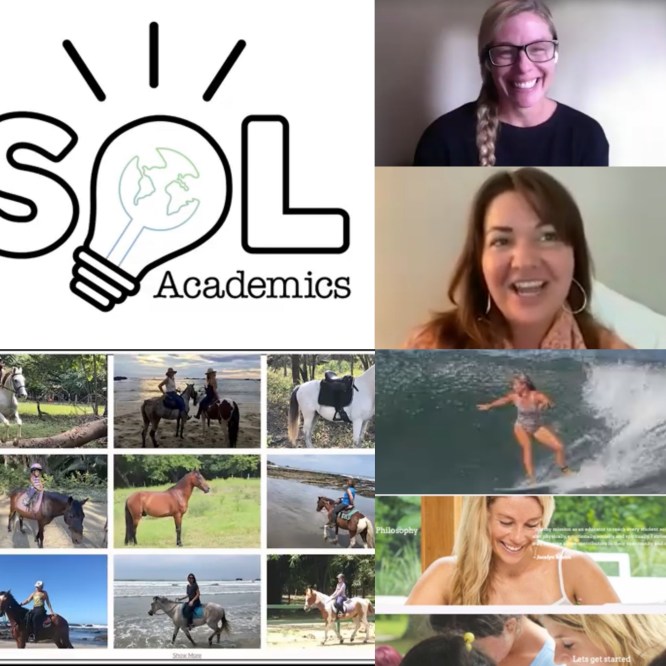
Sol Academics is launching a new school program at Playa Ponies
Nosara is a terrific place for families thanks to the local private school options. Check out the new addition to Sol Academics for Nosara families to consider.
-

NP #162: Gnome Surf kicks off Happy Camps in February to help kids with Autism, Down syndrome, Depression, Anxiety; ADD, ADHD, and more
Gnome Surf is back with updates about Happy Camp in CR which starts in February 2023. Here’s the show notes from another great conversation with Mr. Chris Antao:
- Chris needs shoulder help after 800 lessons
- Happy Camp happening in February
- Happy Camp non profit 501c3 autism, ADD ADHD, depression & anxiety
- families from all over coming
- gnome traveling to Texas, CR, not just northeast
- Chris done with investment banking job and now a firefighter due to gnomes growth
- Gnome doing well was on PBS, the good news movement, more corporate sponsors and hitting sustainability limits for survival
- used to be 200 to 400 families, now 3000+
- looking to build camp in NE similar to Happy Camp in CR
- Rich rants about surfing going from a bad thing to being cool & socially accepted
- Chris explains how at first surf therapy wasn’t accepted. But now is. Kids aren’t just learning to surf… They are learning to get back up again
- Chris explains naysayers always existed and some still do. Rich asks chris to explain further
- Chris says knew surf therapy real because helped him
- Brown University, Harvard, etc wanting to work with Gnome
- rich asks if struggle over. Chris says struggle was real but door now closed. CVS & others giving funds and product for Gnome athletes
- Pharmaceutical bad joke from rich
- Over 20 paid instructors in US, 4 years ago just chris
- In US 25 to 40 lessons per day on weekends event days
- Gnome doesn’t need big waves
- 50 to 75 passes sold for next season already. Over 10 week long camps out of Rhode Island
- Gnome is: Inclusion, Love and Kindness for all kids
- Good PR is foundation for rough times and people knowing Gnome stands for inclusion and acceptance
- Biking, snowboarding on way
- In Nosara Chris wants to help local kids with autism, Down syndrome, anxiety, etc
- Goal is one local camp per year
- Feb 18th week
- inquiries coming in about Nosara Happy Camps so need help from locals
-
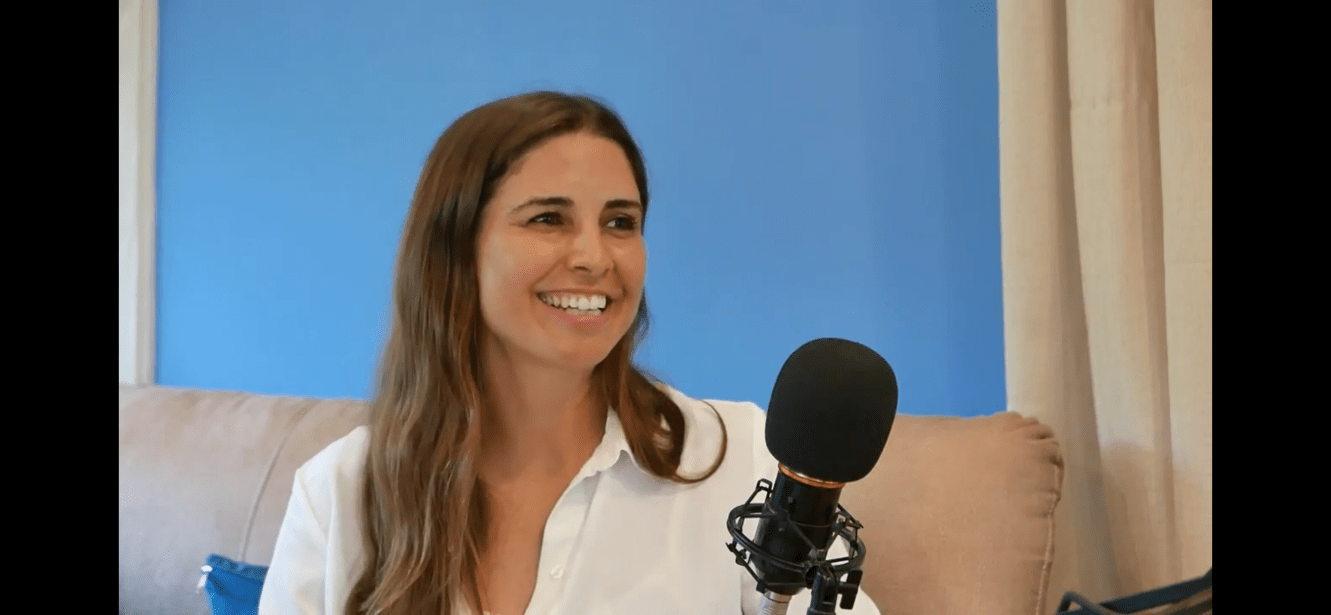
NP #112: Guardians of Nature is on a mission… And it is working! In 23 minutes Jessica Sheffield updates how Nosara is turning into an ‘innovation lab’ and ‘faith, hope, and strategy can change anything’
In this Nosara Podcast episode Jessica Sheffield updates us about Guardians of Nature and shares her vision of increasing eco literacy throughout Latin America and beyond. The program is working already in Nosara and quickly expanding in Latin America and beyond.
Here’s my notes:
- Intro… GoN ‘Mom’ and DMA cofounder
- Nosara is an innovation lab for public schools
- Importance of trajectories
- Trees in CR almost all gone by the 1980’s yet CR changed trajectory and is now inventor of ecotourism (will put in map photos)
- DMA was not intended to ever be an island
- Local schools in Nosara having impact and ripple effect
- Step by step… Not 1 huge one
- Covid, floods, strikes, etc. Really hurt kids
- Enriching English very important
- How can people get involved?
- Can donate time, financially, or preferably both
- Could Nosara’s public school be model for the world?
- Faith, hope, and strategy can change anything
- Local businesses adopted local schools and now composting, recycling, English enrichment, etc.
- Bram recommendation of book Rocket Man
- GoN using bottom up approach, not top down
- Working with government much better in accomplishing greater reach
- Check site also 501c3 available via Amigos site


-
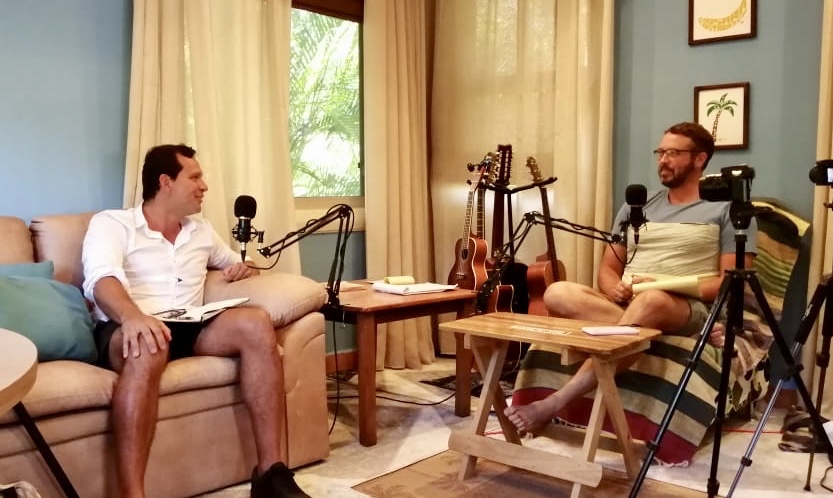
NP #106: Dr. Alvaro Salas Castro discusses behavioral economics for Nosara and explains why he’s living here to study Nosara’s people, economy, governmental relations, education, tourism, national and international investment, and much more. Part 1: 16 minutes
Dr. Alvaro Salas Castro is a behavioral scientist living and studying in Nosara. In this Nosara Podcast episode, he explains what he has learned so far and provides much insight into the challenges Nosara is facing and significant advantages of Nosara compared to other towns.
He explains how federal and local governments and the community organizations all often work separately in different directions and he believes Nosara has the opportunity to become the ‘Silicon Valley’ of Latin America. He thinks closing the beaches is ‘stupid’ and holds nothing back on his opinions.
There’s too much for one episode so we’ll break it up into parts plus Dr. Salas will be coming back each month for a while. It’s great having him here and we’ll get out more and more from him for you to see what he’s finding out about our community.
Here’s my notes from Part 1 with Dr. Alvaro:
- What are our biggest challenges?
- Difference in locals including nationally and internationally
- Different region investors and local culture
- 3 layers of misinformation and communication. federal government & local government and community organizations often separately active
- Potential of Nosara
- Is communication between Nosara and Nicoya and San Jose historically distant?
- Unique blend of people here who care about the environment, lots of different people from different countries
- People in Nosara really care. They don’t talk to government but do care about health, nature,
- Accumulating good decisions is behavioral economics
- benefits of here; turtles, fishing, surfing, local and international airports close, etc.
- A new tamarindo in the negative way of saying that
- Don’t lose the magic
- Keeping Nosara Weird (shout out to Carl Wells)
- Statistically crime is lower in Nosara than other towns Mal País Santa Teresa
- Education system in Nosara incredible. Teachers from other countries are incredible educators and the ones coming to Nosara are differentiated from others
- 5% of GDP is to education
- affordable access to quality vegetables and greens and much exercise
- He believes Nosara has potential to be silicon valley of Latin America
- Previously was General Coordinator of task force to mitigate Covid 19 reporting to the President of the Social Security Roman Macaya
- Business vs protection
- Tension between cabinet members
- What are other countries doing?
- Closing beaches is stupid. He’s a scientist and there’s poor judgment happening
- Erratic policies
- unrest and famine are possibilities
- Local leaders are exciting him. Communities that are healthy organize themselves.
- What issues need government intervention?
- How do we bridge the gap between the foreigners and the locals?
- Coming back more for his research updates


Here’s his Linked In bio:
Acerca de
Alvaro Salas Castro is a native of Costa Rica and has a Ph.D. from the Maxwell School of Citizenship and Public Affairs, from Syracuse University. He also has an MPA in Science, Technology, and Infrastructure from Cornell University in New York. He also holds a Bachelor of Arts in Foreign Affairs, Bachelor of Arts in Law (UACA), and an MBA with a concentration in finance, economics and sustainable development from INCAE Business School as the recipient of the scholarship Leaders for Change.
While at Cornell, he was the first Latin American to serve as President of the Cornell Public Affairs Society. He became a Presidential Fellow at the Center for the Study of Presidency and Congress in Washington DC, was inducted into Phi Alpha Alpha national honor society for public affairs and management, and was the recipient of Cornell’s Adams Award for exemplary scholarship and service in the field of public affairs and honored as the 146th commencement banner bearer representing the graduated students.
Mr. Salas served at Cornell University as Special Advisor of the Cornell Program in Infrastructure Policy. He has previous experience as a business development officer in a corporate law firm, as a Vice President of an insurance company, as Special Advisor to the Government of Panama, Costa Rica, a political party in Honduras and as an academic consultant and researcher for the IDB, Grameen Creative Lab, a major Latin American private equity firm and the United Nations (UNDESA) in New York City, Division of Public Administration and Development Management assisting the Chief of Staff of the Division as a researcher for the e-government survey.
His work has been published in the World Economic Forum Global Agenda Council on Latin America Report under Innovative Public-Private Partnerships for Inclusive Development, opinion pieces at the Huffington Post, the Morocco World News, the UN eGov survey (as a member of the research team), and the latest on a book about impact investment in the UK. -
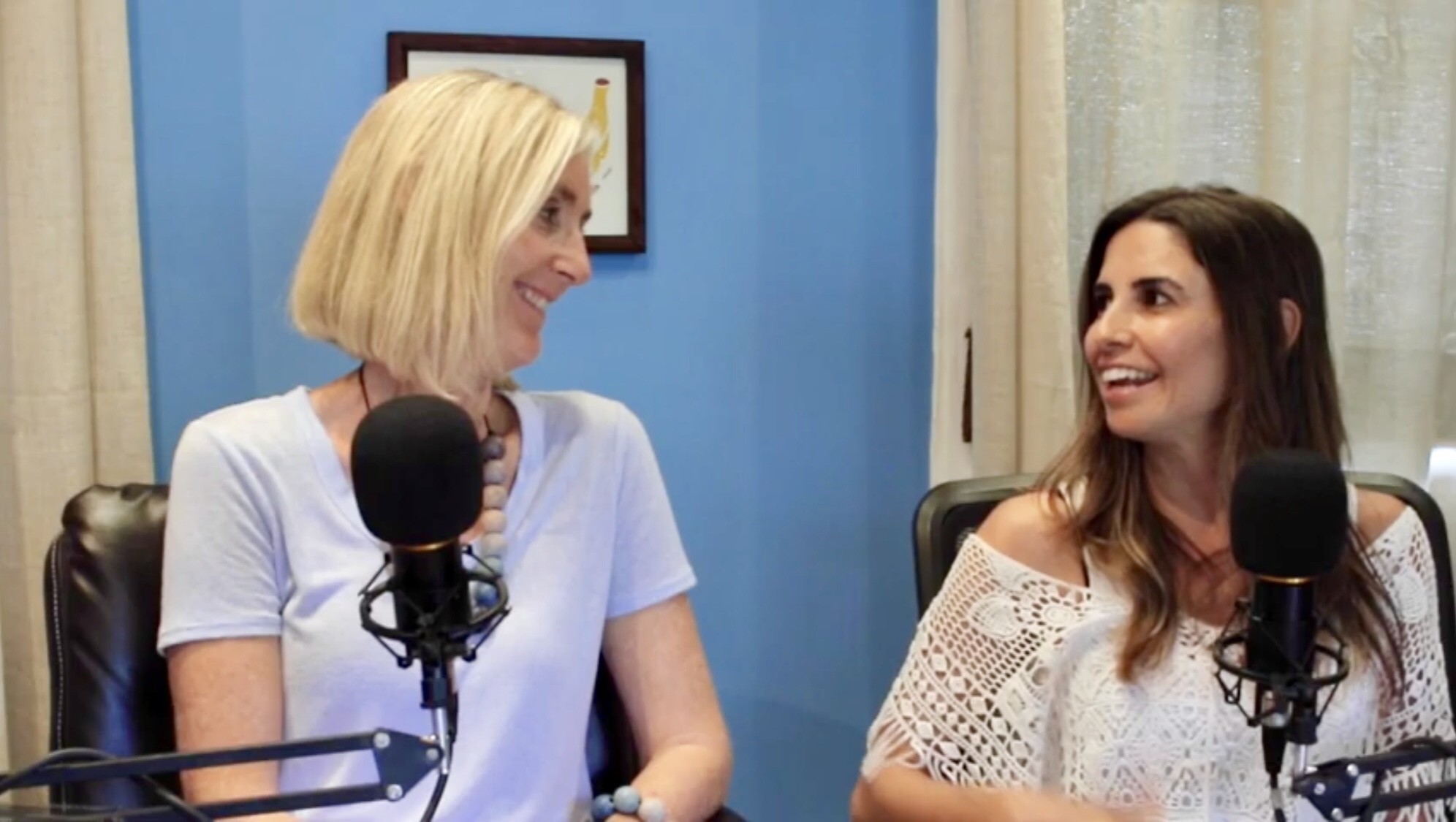
NP #17: Del Mar Academy: How did one school change Nosara so much? What’s next?
In this episode, Rich sits down with Del Mar Academy founders Haley Macmillan-Ord and Jessica Sheffield to discuss updates with Del Mar Academy and their side of the story with opening and operating a school deep in the jungle.
Short version (14 minutes):
Full version (55 minutes):
Most people understand opening and operating any kind of school is not easy.
Opening a school deep in the jungle in a small town hours away from major civilization (via sometimes horrendous roads), zero supplies, very few students, plus so much more… Well that is even harder.
But this is exactly what the Del Mar Academy founders did back in 2007.
People new to Nosara might not be aware of what Nosara was like just a short decade or so ago… Nosara used to be a tiny little town with very challenging access, almost zero publicity, no private schools, very limited medical care, and overall was an extremely challenging place for expats to live if they had kids.
However, Nosara of today is becoming a popular, well-heeled tourist town mentioned by major publications such as the Wall Street Journal, New York Times, Outside Magazine, CNN, FOX, and so many others… There are doctors, dentists, chiropractors, the supermarkets are improving, there is a wide variety of restaurants and there is a chance the main road will finally be paved.
But it was not always this way. Del Mar Academy helped bring Nosara to the forefront of options for families looking for a spot in Latin America which is a big factor why Nosara is filled with families and nature preserves instead of nightclubs and condo developments.
The success of Del Mar Academy is now helping other private schools to open and operate, plus Del Mar Academy helps the local public schools a great deal, as well as providing scholarships to local Tico’s. Now that Del Mar Academy is a foundation their goal is to drastically increase their funding so they can provide more scholarships and increase environmental awareness not in Nosara but throughout the world.
https://www.nosarascholarships.org/donate—donar.html